Open Innovation
Open Innovation is the concept that organizations should purposefully leverage both internal and external ideas, technologies, and knowledge flows to accelerate innovation and expand the value and market for their innovations. [1] [2] This framework was coined and popularized by Berkeley professor Henry Chesbrough. [1] [2] Key concepts of Open Innovation include:
External Collaboration: Rather than relying solely on internal R&D, companies actively seek out partnerships with external individuals and organizations—such as universities, startups, and even customers—to co-create new solutions and products. [3] [4] [1] [2]
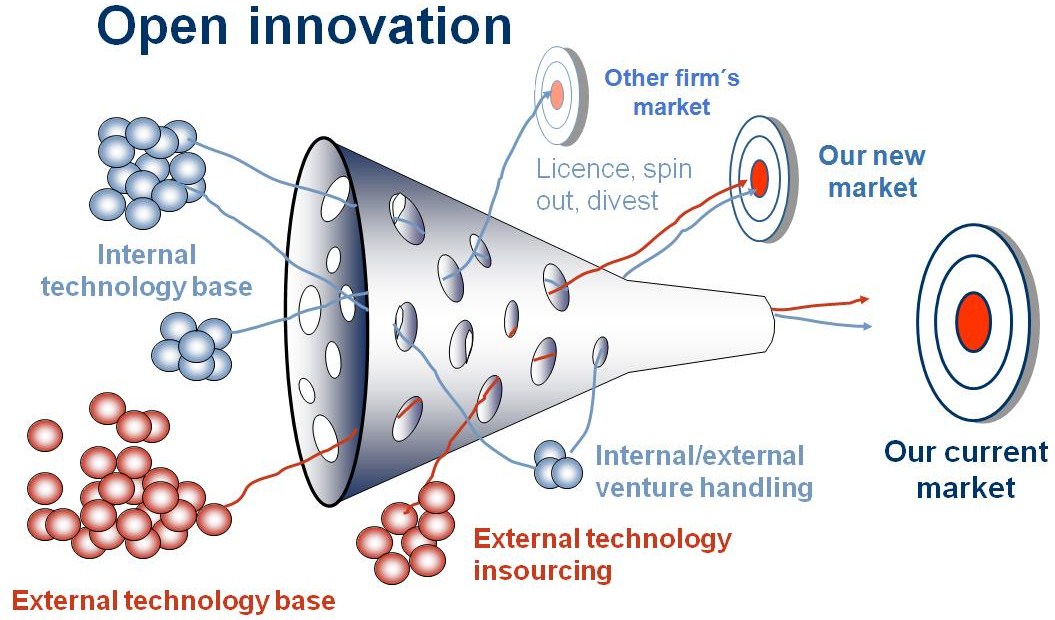
Image Reference: [IMAGE 1] — A typical diagram illustrates internal and external knowledge sources flowing into a central innovation funnel.
Inside-Out and Outside-In Flows:
Outside-In refers to integrating external technologies and ideas into one’s own innovation processes, such as through technology scouting or crowdsourcing. [5] [4] [1]
Inside-Out means licensing, sharing, or spinning out internal innovations so that external entities can use or commercialize them, thus extending the market reach of those innovations. [1] [2]
Trend Management: Companies track and adapt to emerging trends by analyzing external signals and forecasts, ensuring their innovation priorities align with future needs. [5]
Technology Scouting: Systematic search for new technologies around the world, including partnerships with research institutions, attendance at industry events, or collaborating in startup ecosystems. [5]
Crowdsourcing: Organizations issue open challenges or use platforms to source ideas, feedback, and technical solutions from a broad community, harnessing diversity of thought and expertise. [5] [4]
Innovation Ecosystem: Open Innovation creates a network of collaborators, including alliances, academic partnerships, and open competitions, widening the scope of potential solutions and expertise. [4]
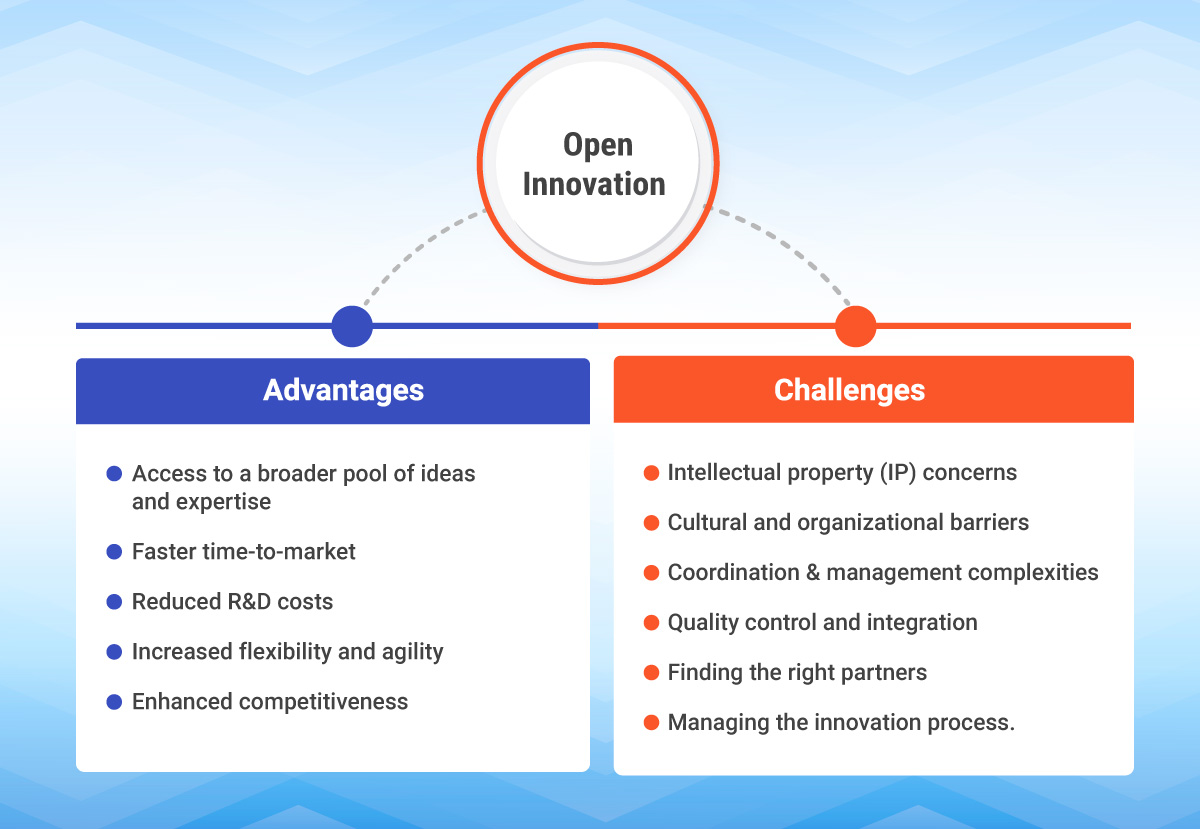
Distinct from Closed Innovation:
| Concept | Closed Innovation | Open Innovation |
| Knowledge source | Internal R&D only | Both internal and external sources |
| Collaboration | Rare, mostly within firm | Frequent, with outside partners (companies, universities, etc.) |
| Knowledge flow | Closed: ideas stay inside | Open: purposeful inflow and outflow of knowledge |
| Risk and secrecy | High control, low external risk | Lower control, but greater access to new ideas and perspectives |
Summary of Key Insights:
Open Innovation recognizes that not all smart people work for a single organization; valuable ideas and technologies may come from outside.
It accelerates innovation cycles and increases competitiveness by expanding the pool of solutions and creative input. [3] [5] [1]
Implementing Open Innovation requires cultural change, moving from secrecy to openness and collaboration. [4] [2]
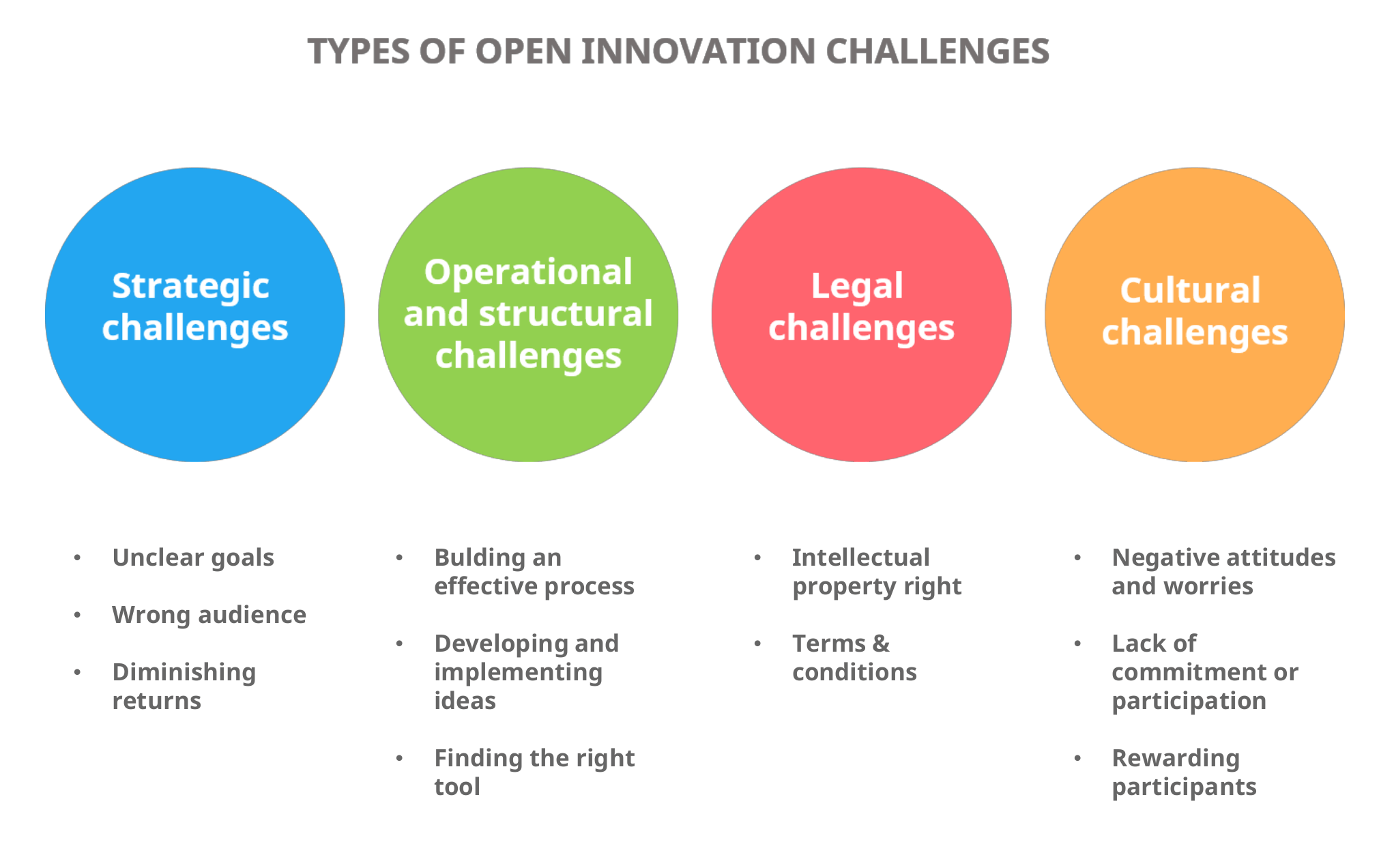
Hypernova’s “Fund-with-Funds” strategy—allocating 40% to Solo GPs and emerging managers, 30-40% to co-investments in their portfolio's bridge rounds, and discretionary capital to proprietary dealflow—embodies the principles of Open Innovation and may offer advantages in outperforming typical early-stage venture funds, supported by recent research and industry evidence.
How the Strategy Aligns with Open Innovation
Open Innovation is based on the belief that value creation is maximized when organizations leverage both internal and external sources of ideas, and collaborate widely across networks. Hypernova’s approach directly supports this:
By investing in Emerging Managers and Solo GPs, you leverage a diverse set of external networks, sourcing unconventional dealflow beyond your direct reach. [6]
Co-investing in bridge rounds of their portfolio companies ensures active participation in networks of innovation as portfolio companies scale or pivot, amplifying learning and syndication opportunities.
Discretionary direct investments ensure you retain the ability to harness internal sourcing and proprietary insights, balancing the openness with a tailored thesis.
 Diagram showing flow of capital and information from Hypernova to Solo GP funds and onward to portfolio companies, illustrating multiple “innovation entry points” for dealflow.
Evidence Supporting the Strategy
1. Diversification and Power Law Advantage
Investing across a constellation of emerging fund managers enhances portfolio diversification. Emerging managers often back non-obvious founders and ideas that large funds overlook. [6] [7]
The potential for outsized returns (the "Power Law" in VC) is higher when you access broader, less obvious early-stage dealflow. [8] [7]
This multipronged approach can hedge risks and avoid concentration in any single thesis, maximizing upside if one or more managers hit high-growth outliers. [8] [7]
2. Bridge Round Co-Investments and Strategic Timing
Allocating significant capital to bridge rounds places Hypernova in critical inflection points for startups (between seed extension and Series A/B). [7]
Early-stage bridge rounds typically offer strong valuation advantages and access before growth inflection, providing early entry to potential future winners. [7]
3. Network Effects and Information Flow
By being enmeshed in the sourcing and selection of dozens of Solo GPs and managers, Hypernova can aggregate and synthesize proprietary insights, arming itself with a richer qualitative portfolio assessment versus traditional funds. [9]
This aligns with recent strategic thinking suggesting that fund-of-funds structures can be foundational for exposure, access, and agility in the so-called "Venture 3.0" era. [9]
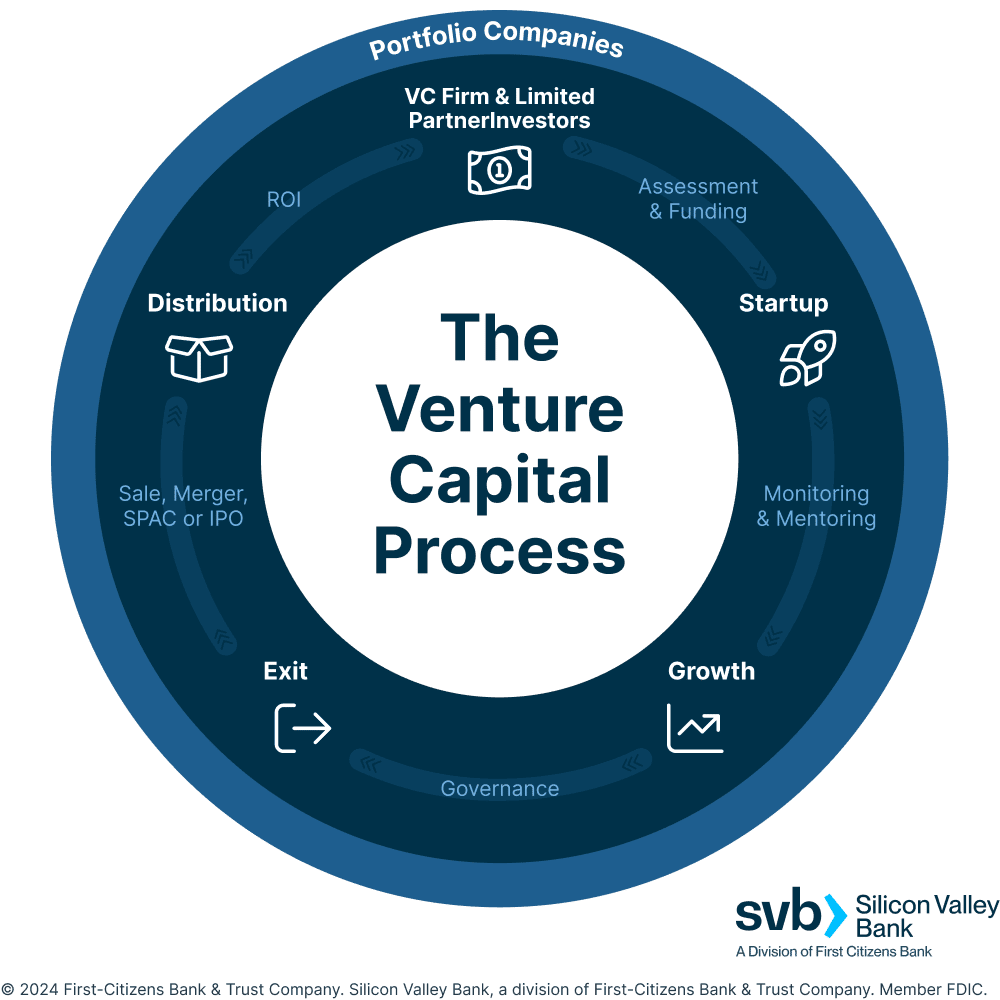 Visualization showing how Hypernova’s fund interacts with multiple Solo GPs, who then invest in diverse startup sectors, widening Hypernova’s private market intelligence and exposure.
Why This Can Outperform Typical Early-Stage VC
| Strategy Feature | Open Innovation Benefit | Potential Outperformance |
| Fund-of-Funds Core | Access to diverse networks and deal sources | Unconventional, high-upside deals[6] [10] |
| Bridge Round Co-Investment | Strategic entry at high-leverage inflection points | Early, lower valuation, higher return potential[7] |
| Discretionary Direct Deals | Balance between openness and proprietary edge | Optimize risk/return and thesis-driven plays |
| Active Portfolio Learning | Faster learning from multiple, heterogeneous data points | Agile adaptation, better informed follow-on investments[9] |
 Graph comparing typical VC fund returns to those using a fund-of-funds plus bridge round model, with markers for diversification benefit (“Venture Spread”). [9] [7]
Summary of Research and Beliefs
Fund-of-Funds and venture spread strategies are gaining favor for their ability to broaden exposure and compensate for the limitations of single-thesis investing, especially as the market becomes more thematic and fragmented. [9] [10]
Open Innovation’s collaborative and networked approach matches the fund-with-funds model; evidence suggests emerging managers outperform on a risk-adjusted basis due to their motivation, agility, and willingness to back non-obvious founders. [6] [11]
Positioning capital for co-investment at bridge rounds capitalizes on lower competition and more favorable pricing, consistent with early-stage VC’s highest upside opportunity zones. [7]
Discretionary allocation gives Hypernova flexibility to exploit proprietary dealflow and test emergent theses, ensuring continued relevance as markets shift. [9]
This integrated, networked capital strategy is increasingly seen as a path to higher returns, better risk mitigation, and superior competitive intelligence, aligning Hypernova with both structural VC innovation and current research in fund design and portfolio construction. [6] [8] [9] [7] [10]
Citations
[1]: 2025, Nov 20. Venture Capital Funds: How Its Works. Published: 2025-01-11 | Updated: 2025-11-20
[5]: 2025, Nov 22. The Complete Guide to Venture Capital Fund Metrics - GoingVC. Published: 2025-07-10 | Updated: 2025-11-22
[7]: 2025, Nov 22. What is a Fund of Funds: Definition, Benefits & Structure - Moonfare. Published: 2025-05-26 | Updated: 2025-11-22
[8]: 2025, Jul 31. 1749347155237. Published: 2025-07-31 | Updated: 2025-07-31
[9]: 2025, Nov 22. Getting Started - Private Equity, Venture Capital, and Hedge Funds. Published: 2025-09-18 | Updated: 2025-11-22
[10]: 2025, Nov 21. Venture Capital Funds: What they are & how to invest in them. Published: 2025-05-26 | Updated: 2025-11-21
[11]: 2025, Nov 21. Understanding VC Fund Portfolio Construction - Rundit Blog. Published: 2024-09-17 | Updated: 2025-11-21
[12]: 2025, Nov 21. Venture capital. Published: 2003-07-03 | Updated: 2025-11-21
[14]: 2024, Feb 23. Fundraising - Blog. Published: 2024-02-23
[15]: 2025, Nov 22. How Venture Capital Works - Harvard Business Review. Published: 2025-11-22 | Updated: 2025-11-22
[17]: 2025, Oct 26. Top 50 emerging venture fund managers. Published: 2024-02-24 | Updated: 2025-10-26
[18]: 2025, Nov 21. Top 25 Venture Capital Firms Investing in Late-Stage Companies. Published: 2024-09-29 | Updated: 2025-11-21
Sources
- [1]Open Innovation Basics - NineSigmaninesigma.com
- [2]
- [3]What is Open Innovation? Definition, Types, Model and Best Practicesideascale.comPublished: 2025-05-06
- [4]
- [5]
- [6]
- [7]Early-Stage Venture Capital: The Next Great Alternative Investment ...propellant.vcPublished: 2025-05-14
- [8]
- [9]
- [10]
- [11]