Refactoring
Continuous Rewrites
Continuous Refactoring is the disciplined practice of improving and tidying up code regularly—not as a one-off task, but as a continuous activity throughout the software development lifecycle. Although recognized as a best practice, it is frequently neglected due to short-term deadlines or the mistaken belief that refactoring is only necessary when problems become visible.
https://youtu.be/re7whFXlOFk?si=QjD0BTrJfs_Uhbo_
What is Continuous Refactoring?
Continuous refactoring means integrating small-scale code improvements into your daily development routine, preventing the accumulation of Technical Debt (inefficient, difficult-to-maintain code) and avoiding the need for risky, large-scale rewrites later on[1][2].
The process involves restructuring existing code—without changing its external behavior—to make it cleaner, simpler, and easier to evolve[3][4][2].
Proper continuous refactoring is inseparable from automated testing: robust unit and integration tests ensure changes do not break existing features[2].
Why is Continuous Refactoring Important?
It keeps codebases clean and maintainable, reducing complexity and making onboarding or adding new features easier[4][2].
By catching and fixing problems early, continuous refactoring minimizes technical debt and future maintenance costs[1][3].
It ensures the code does not devolve into "dirty code" (incomprehensible, bloated, or duplicated code) as quick fixes and new features accumulate over time[4][1].
Best-Practice Principles (Often Ignored):
| Principle | Why It's Important | Typical Reason Ignored |
| Refactor as you go | Prevents large rewrites, keeps code quality high | Pressure to deliver features fast, de-prioritizing cleanup |
| Commit small, commit often | Makes problems easier to isolate, simpler rollbacks | Belief that only "big changes" are worth pushing |
| Write and run tests before refactoring | Ensures refactoring is safe and doesn’t break code | Lack of tests; pressure to skip to "just work" |
| Reduce the need for massive refactors | Good planning and conventions limit future issues | Many teams skip this step in the rush to start coding[1][2] |
| Focus on code “smells” and structure | Early detection of problems avoids complexity | Teams ignore signs, only fixing “broken” code |
| Share and discuss refactoring plans | Makes continuous improvement a team effort[5] | Developers refactor in isolation, risking merge conflicts, confusion |
| List and schedule deferred refactorings | Important issues not lost, shared team awareness | Many ignore or never communicate improvements for later[5] |
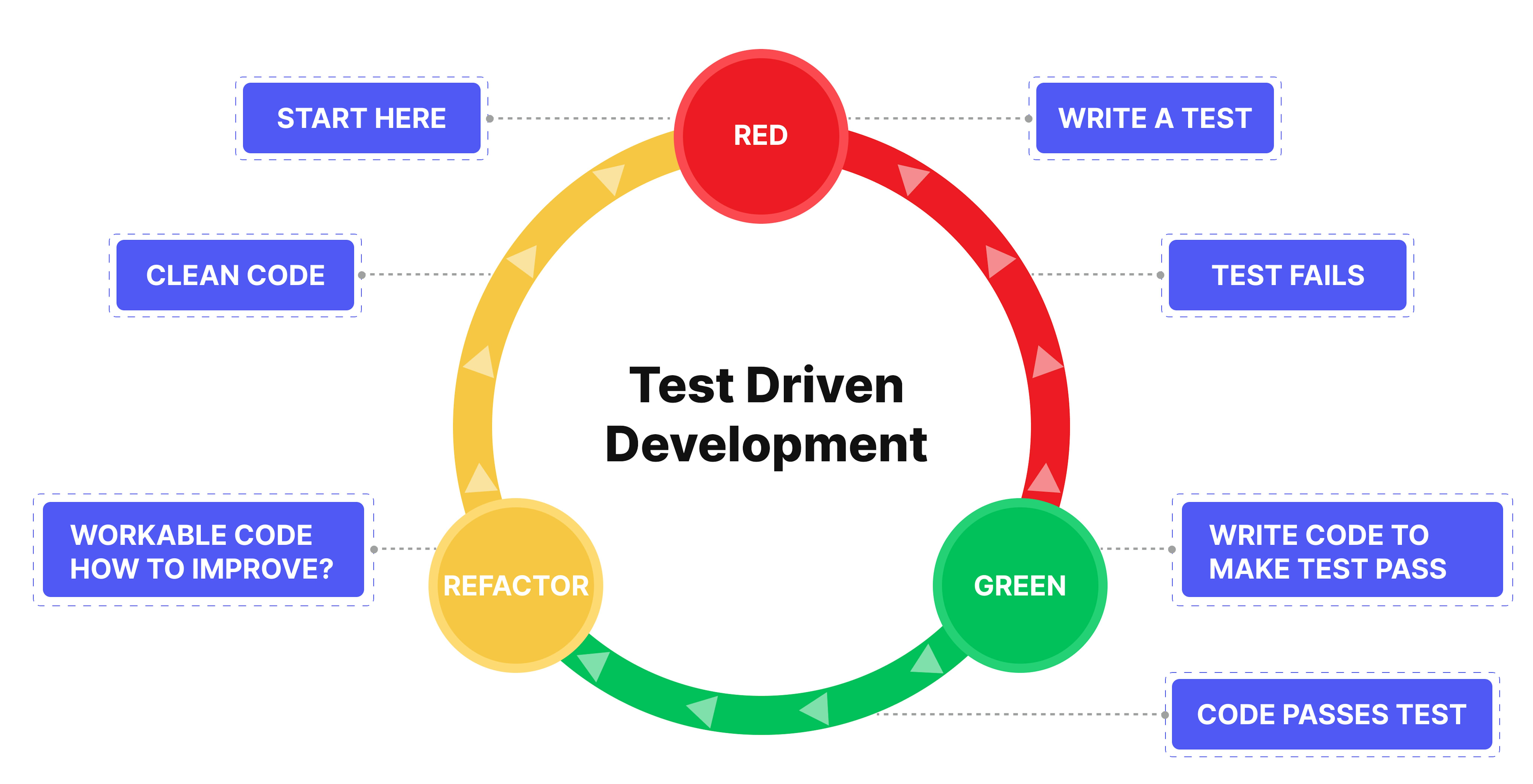
Imagine a diagram showing the software development process as a continuous loop: "Code → Refactor → Test → Deploy → Repeat." This loop emphasizes that refactoring is part of every cycle, not a separate or final phase.
Practical Example
Suppose a developer spots a large function performing multiple unrelated tasks while fixing a bug. Instead of ignoring it to save time, they extract each logical segment into smaller, single-purpose functions and run existing tests to ensure nothing breaks. This small but continuous effort ensures the code stays readable and flexible for future changes[3][4][2].

Visual: Before/after refactoring a "God function" into three smaller, named functions, annotated with a checklist showing reduced complexity and improved test coverage.
Common Barriers and Solutions
Short-term delivery pressure often pushes teams to skip refactoring. However, research and industry experience indicate that teams who invest continuously in code cleanliness see fewer defects and faster feature delivery in the long run[1][2].
Disorganized or absent tests can halt safe refactoring. The solution is to prioritize writing reliable tests, empowering developers to improve code with confidence[2][4].

Visual: Pie chart or infographic showing that projects with regular refactoring have fewer defects and faster feature integration compared to projects that defer refactoring.
Summary of Key Habits for Continuous Refactoring
Regularly identify and fix code smells (duplicated code, long functions, overly complex logic)[4][2].
Keep changes frequent and small.
Always maintain or add tests before and after refactoring.
Encourage team-wide conventions and open discussion of needed improvements.
Document any deferred refactoring tasks and schedule them as part of the development cycle[5].
Continuous refactoring is one of the most impactful, yet overlooked disciplines in professional software development—best adopted not as a one-off event, but as an ongoing team habit, integrated into every sprint and commit[1][5][2].
Citations
Sources
- [1]Continuous refactoring: avoiding technical debt in the here and nowrobkendal.co.ukPublished: 2019-02-01
- [2]
- [3]
- [4]
- [5]